
Diamonds vs. Moissanites vs. Lab-Made Diamonds: What’s the Difference?
When it comes to choosing the perfect gemstone, especially for engagement rings or fine jewelry, the market today offers a dazzling variety of options. Among the most popular are natural diamonds, moissanites, and lab-made diamonds. Each has unique characteristics, benefits, and price points. Let’s dive into what sets these gems apart and help you make an informed decision.
Natural Diamonds: The Timeless Classic
Natural diamonds are formed deep within the Earth’s mantle over billions of years under intense heat and pressure. Known for their exceptional hardness (10 on the Mohs scale), brilliance, and durability, diamonds have long symbolized luxury, love, and eternity.
-
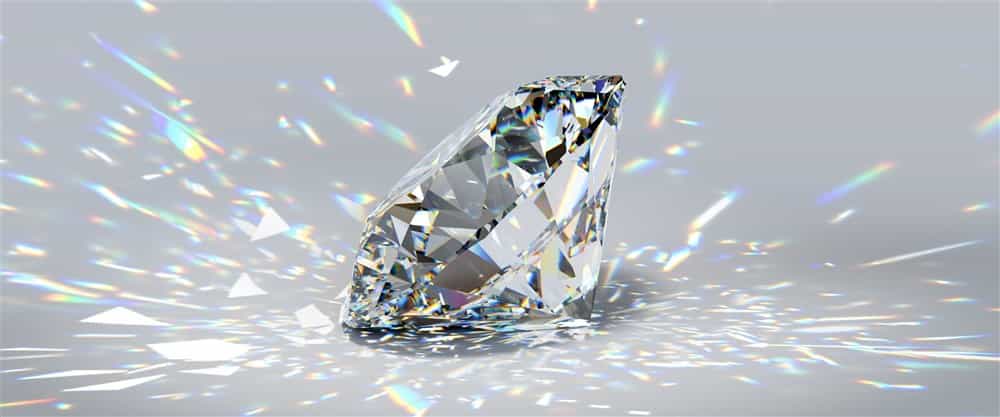
Appearance: Diamonds are prized for their fire (dispersion of light into colors), brilliance (brightness from internal and external reflections), and scintillation (sparkle when moved).
-
Cost: Natural diamonds are generally the most expensive option, due to their rarity and mining costs.
-
Environmental and Ethical Concerns: Mining can cause significant environmental impact and ethical issues, though certification systems like the Kimberley Process aim to reduce conflict diamonds.
Moissanites: The Sparkling Alternative
Moissanite is a gemstone originally discovered in a meteor crater, made primarily of silicon carbide. Modern moissanites are lab made diamonds and prized for their visual brilliance and affordability.
-
Appearance: Moissanites are nearly as hard as diamonds (9.25 on the Mohs scale) and often display more fire and sparkle than diamonds, sometimes with a slight rainbow effect.
-
Cost: Significantly more affordable than both natural and lab-grown diamonds.
-
Use: Popular for those who want a visually dazzling stone on a budget or seek an ethical and eco-friendly alternative.
-
Differences: Though visually stunning, moissanites can sometimes be distinguished from diamonds by their different sparkle and slight color variations under certain lighting.
Lab-Made Diamonds: Real Diamonds, Ethically Created
Lab-made diamonds, also called synthetic diamonds or cultured diamonds, are created in controlled laboratory environments using advanced technological processes like High Pressure High Temperature (HPHT) or Chemical Vapor Deposition (CVD). These diamonds are chemically, physically, and optically identical to mined diamonds.
-
Appearance: Virtually indistinguishable from natural diamonds without specialized equipment.
-
Cost: Typically 20-40% less expensive than natural diamonds of comparable quality.
-
Ethics and Sustainability: Lab diamonds offer a more environmentally friendly and ethical choice, diamond vs moissanites, as they avoid mining impacts and potential ethical concerns.
-
Certification: Lab diamonds can be certified by reputable labs (e.g., GIA) just like natural diamonds.
Summary: Which One Should You Choose?
| Feature | Natural Diamond | Lab-Made Diamond | Moissanite |
|---|---|---|---|
| Composition | Carbon (naturally formed) | Carbon (lab-created) | Silicon carbide (lab-created) |
| Hardness | 10 (Mohs scale) | 10 (Mohs scale) | 9.25 (Mohs scale) |
| Brilliance | Classic diamond sparkle | Identical to natural diamond | More fire, slightly different sparkle |
| Cost | Highest | 20-40% less than natural | Lowest |
| Ethics | Mining concerns | Ethically better | Ethically better |
| Environmental Impact | High (mining) | Low (lab production) | Low (lab production) |
If you want a timeless, naturally formed gemstone and budget is less of a concern, a natural diamond remains a classic choice. If you prefer environmental responsibility and a better price without sacrificing authenticity, lab-made diamonds are excellent. For those looking for brilliant sparkle on a budget, moissanites offer a fantastic alternative, though they differ chemically and visually from diamonds.
Final Thought
Your choice depends on your values, budget, and style preferences. Whether you opt for the natural elegance of mined diamonds, the innovation of lab-grown stones, or the affordability of moissanites, each offers a unique way to shine brilliantly for years to come.